1921 BC · AM 2084 · Patriarchs

The call of Abram; departure from Haran

The LORD called Abram to leave his country for a land he would be shown, promising to make him a great nation in whom all families of the earth would be blessed (Genesis 12:1-3). Abram departed Haran at 75 (Genesis 12:4), in 1921 BC, the start of the 430-year sojourn (Galatians 3:16-18).

genealogical dating
📖 Genesis 12:1–3

1Then the LORD said to Abram, “Leave your country, your kindred, and your father’s household, and go to the land I will show you. 2I will make you into a great nation, and I will bless you; I will make your name great, so that you will be a blessing. 3I will bless those who bless you and curse those who curse you; and all the families of the earth will be blessed through you.”

Connections

Quotation

Abraham is called from his country

Stephen begins Israel's history by repeating God's command that Abraham leave his country and kindred for the land God would show him.

Acts 7:2–4

And Stephen declared: “Brothers and fathers, listen to me! The God of glory appeared to our father Abraham while he was still in Mesopotamia, before he lived in Haran, and told him, ‘Leave your country and your kindred and go to the land I will show you.’ So Abraham left the land of the Chaldeans and settled in Haran. After his father died, God brought him out of that place and into this land where you are now living.

Genesis 12:1 records the LORD's command to leave country, kindred, and household for the land He would show Abram; Acts 7:2-4 quotes the country-and-kindred command and recounts Abraham's departure.
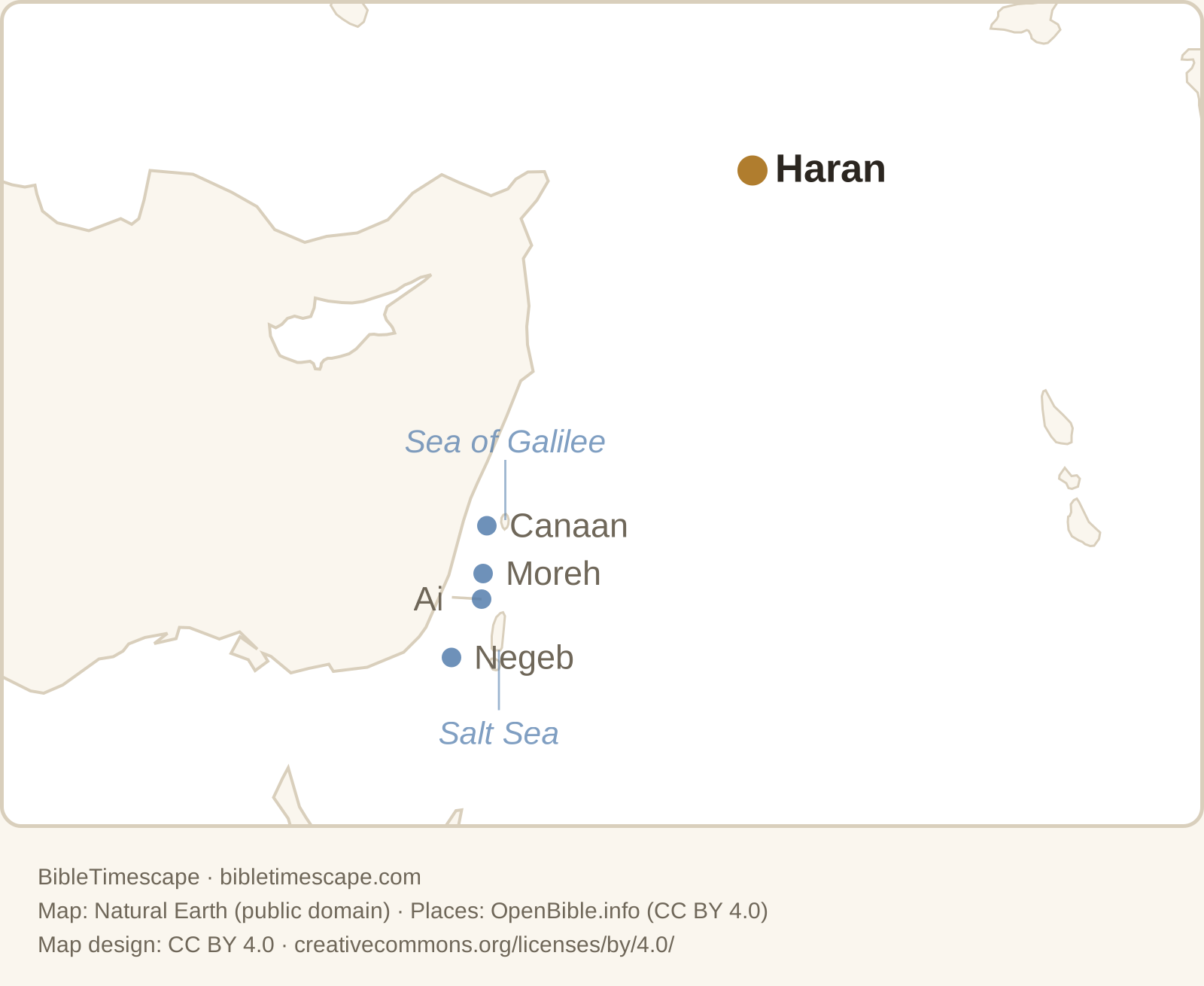
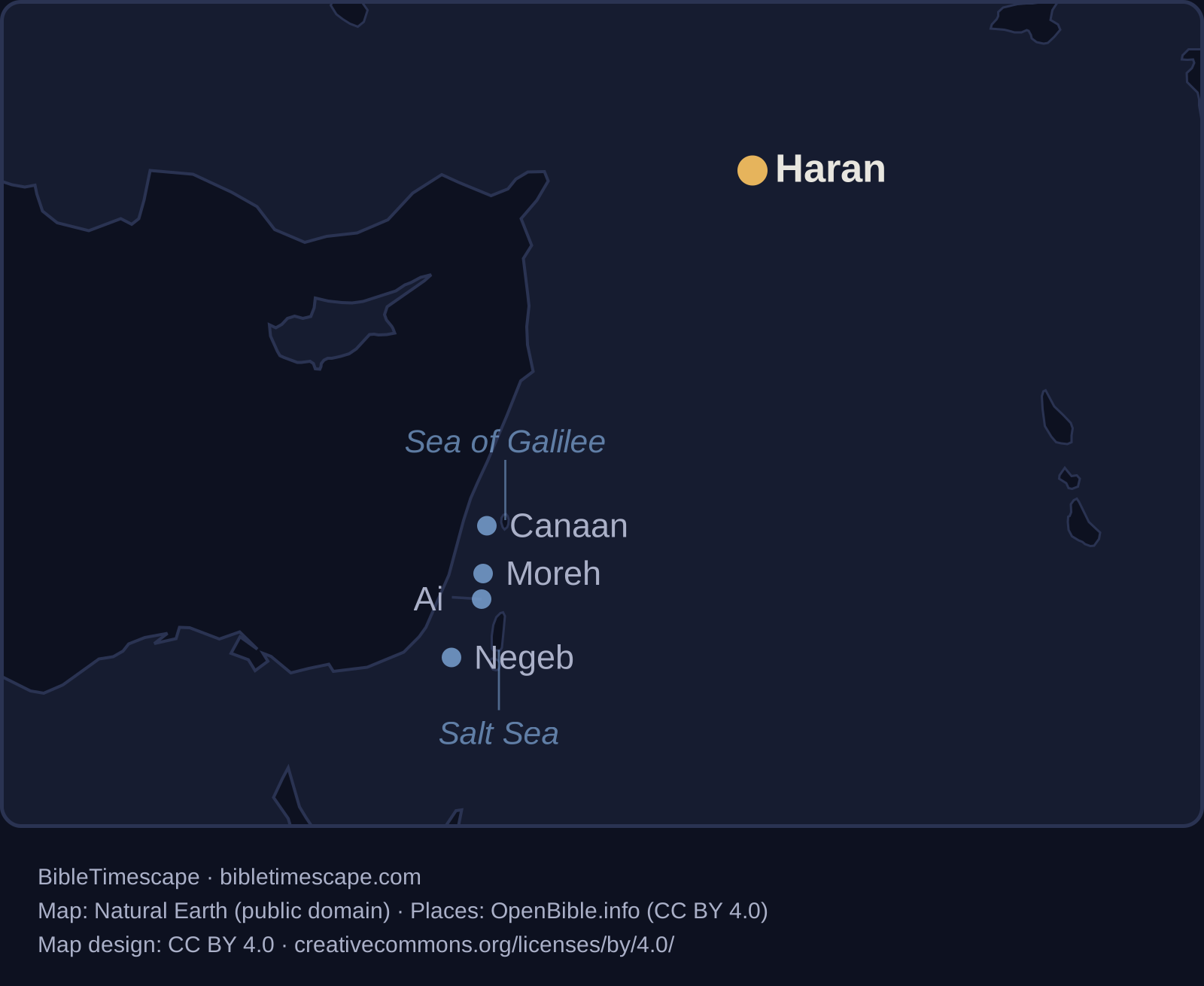
© 2026 Jeffrey A. Jameson, BibleTimescape (bibletimescape.com). Map geometry: Natural Earth, public domain. Place coordinates: OpenBible.info Bible Geocoding Data, CC BY 4.0.Salt SeaSea of GalileeAiCanaanMorehNegebHaran
Map: Natural Earth (public domain) · Places: OpenBible.info (CC BY 4.0)
Download map
SVG · LightSVG · Dark

Free to use and adapt with the credit included in the file (CC BY 4.0).

Sources: AiG: Timeline of the Bible (chart PDF, 2005)
View on the timeline →